
|
Smartsheet's AI functionality aims to streamline complex tasks by transforming natural user inputs into meaningful outputs, such as formulas and descriptions. The platform enhances the effectiveness of these tools by incorporating context from users' specific inputs, like sheet column names. This ensures personalized and relevant outputs.
Example: When a user inputs a simple command or sentence, the AI tool utilizes specific column names from their sheet to generate a formula that fits the context. This tailored approach helps users achieve more accurate and useful results. Welcome back, friends of 57Network! We're excited to share with you the highlights and insights from our recent event, Smartsheet User Group Malaysia. On 23rd April 2024, we gathered together for a day filled with learning, networking, and unforgettable moments. Let's take a journey back and relive the magic of this remarkable event.
Smartsheet User Group Malaysia event was a 3 hours event that brought together around 50 passionate individuals from various industries. Hosted at AICB Centre of Excellence (ACE) Kuala Lumpur, the event features inspiring keynote speeches by TNB, updates on the latest Smartsheet features, and established meaningful connections with individuals in the business by engaging in strategic networking.  2023 has been a year full of changes and growth. Like a rollercoaster ride, it brought a mix of challenges and lessons that helped shape and transform experiences. As an intern at 57Network, navigating through this whirlwind meant learning from successes and obstacles, ultimately leading to personal and professional growth.
Shrink the large blind spot hiding the risks in your business relationships
Malaysian companies have an insufficient understanding of the cyber and privacy risks associated with software supply chain vendors. Only 29% of respondents have a high-level understanding of these risks, despite 61% of companies expecting an increase in reportable incidents related to software supply chain attacks. Is Your Organization Too complex To Secure?Be deliberate about simplicity and simplification Complex organizations can lead to a lack of communication and coordination between departments, which can result in severe cybersecurity and privacy issues. In Malaysia, 75% of respondents feel that their companies are overly complex, leading to unnecessary risks to their organization's cybersecurity and privacy. 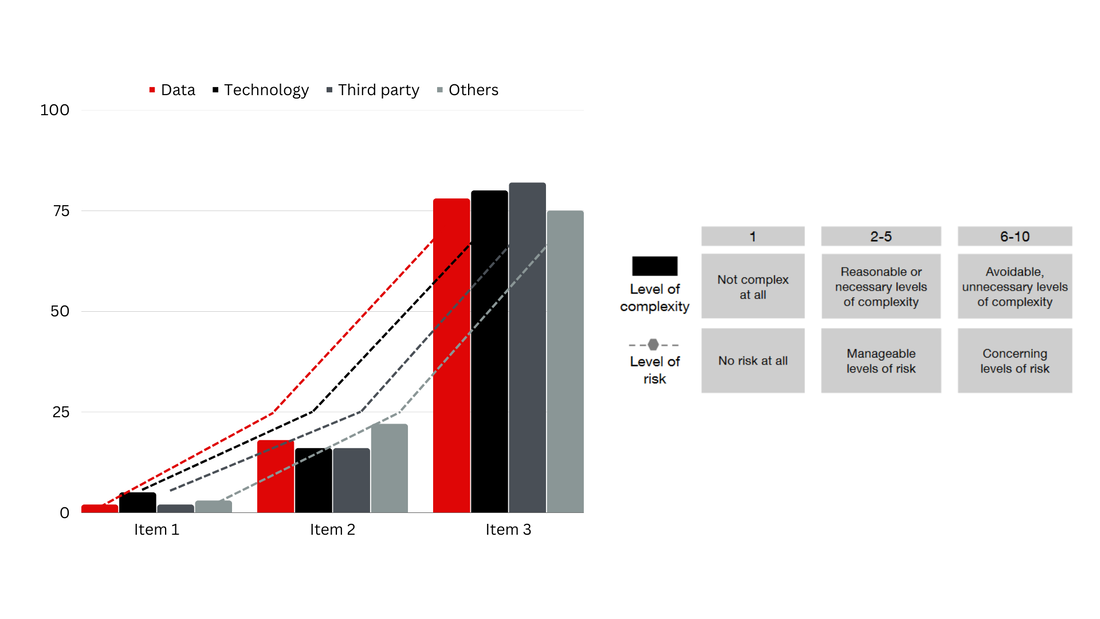 Security-First Leadership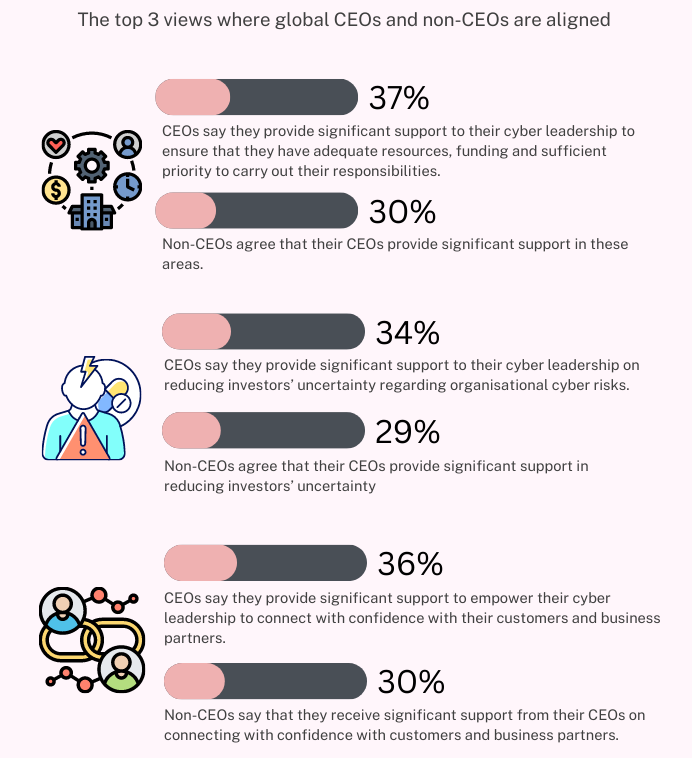 According to a global survey, CEOs in the "most improved" group for cybersecurity outcomes are 14 times more likely to provide significant support across all categories compared to other CEOs.
Cybersecurity budgets are increasing but are these investments bearing sufficient fruit for companies 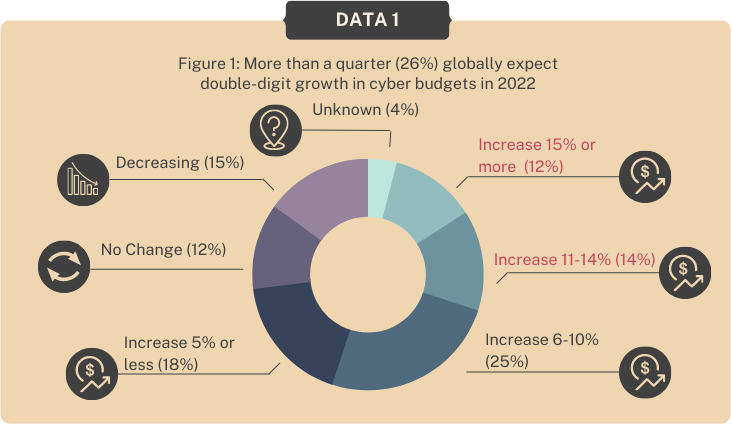 The Malaysia report of the 2022 Global Digital Trust Insights unveils crucial findings from a survey conducted among 3,602 executives from global businesses, technology, and security sectors, including respondents from Malaysia and the Asia Pacific region. The report provides valuable insights into the extent of cyber planning, adoption, and streamlining necessary, along with the prevailing challenges and supply chain risks encountered by organizations in Malaysia.
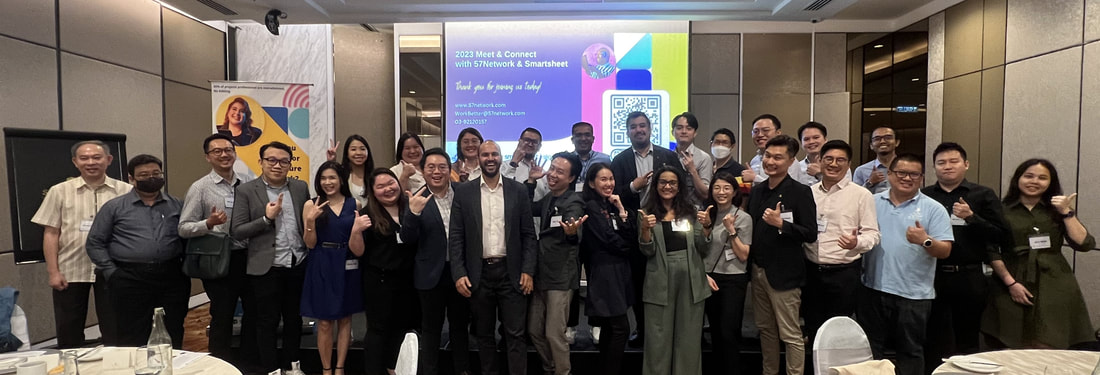 Incredible success of our recently concluded 2023 Meet & Connect.In a world where connections and shared experiences are more important than ever, we recently hosted an event that brought together like-minded individuals and created an atmosphere of collaboration, innovation, and success.
 Digital Transformation and the Future of Work: What Businesses Need to Know.Digital transformation has been a buzzword in the business world for several years now, and for good reason. With the rapid advancements in technology and the growing demands of consumers, companies must adapt to stay competitive.
 The Total Economic Impact of Smartsheet (A summary)Forrester conducted interviews with nine customers who have used Smartsheet for various purposes, ranging from essential project management to large-scale digital transformation initiatives. The purpose of the study was to gain a better understanding of the benefits, costs, and risks associated with investing in Smartsheet. Forrester aggregated the interviewees' experiences and combined the results into a single composite organization.
|


|

|

|

|

|
|
|
This company is registered with the Ministry of Finance, Malaysia.
Equip your organisation with digital solutions & training that inspire innovation and joy at work. Copyright © 2024 57Network Consultancy Sdn. Bhd. Company Registration number : 202001020346 (1376666-K) All rights reserved. |